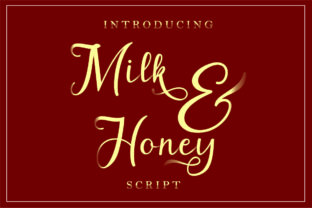
Milk Honey: An Elegant Script Font for Editorial Design
Milk Honey is a beautiful and elegant script font that transforms standard layouts into visually captivating experiences for publishers and content creators. As a Script Handwritten typeface, it brings a sense of warmth and authenticity to digital and print media, making it an essential addition to your library of professional Fonts. Whether you are designing a lifestyle blog header, curating a high-end magazine spread, or crafting a personal brand identity, this typeface offers the perfect balance of sophistication and approachability. Its fluid strokes and refined curves mimic the natural movement of hand lettering, providing a human touch that rigid geometric fonts often lack. For editorial designers, this means creating an immediate emotional connection with the reader before they even digest the first paragraph of text.
Elevating Magazine Covers and Blog Headers with Milk Honey
When working with Milk Honey, the primary advantage lies in its ability to command attention as a display element. In the crowded landscape of online publishing, a blog header or magazine cover must communicate tone instantly. This Script Handwritten font excels in these high-impact roles because of its distinct personality. Unlike generic sans serif options that can feel sterile, Milk Honey introduces an element of luxury and care. It is particularly effective for lifestyle publications, fashion editorials, and wellness blogs where the aesthetic is as important as the information. By using this font for main titles, you establish a visual hierarchy that guides the eye naturally. The elegance of the script contrasts beautifully with clean, minimalist backgrounds, allowing the typography to serve as the central graphic element. This reduces the need for heavy imagery, giving your layout breathing room and a modern, uncluttered feel that readers appreciate.
Creating Engaging Quote Graphics for Social Media and Newsletters
Content creators know that shareable assets drive engagement, and Milk Honey is ideally suited for creating memorable quote graphics. When extracting powerful statements from articles or interviews, presenting them in a standard body font often fails to capture their emotional weight. Using this Script Handwritten style adds emphasis and artistic flair, turning a simple sentence into a piece of art. This is crucial for newsletter headers, Instagram carousels, and Pinterest pins, where visual appeal determines click-through rates. The font’s legibility at larger sizes ensures that the message remains clear while still feeling personal and handwritten. For bloggers and newsletter writers, this means you can maintain brand consistency across platforms. Instead of relying on stock photos, you can create a unique visual language using Milk Honey for pull quotes, section dividers, and highlighted text. This approach not only enhances reader retention but also encourages social sharing, expanding your content’s reach organically.
Enhancing Ebook Titles and Printable Guide Branding
Digital products such as ebooks, worksheets, and printable planners require a cohesive design strategy that builds trust and perceived value. Milk Honey serves as an excellent choice for cover titles and chapter openers in these formats. As a premium Fonts option, it elevates the perceived quality of your digital downloads. Readers often judge the usefulness of a guide by its presentation; a polished, professionally typeset cover suggests high-quality content within. This script font works exceptionally well for niches like wedding planning, recipe collections, coaching workbooks, and creative journals. Its elegant nature aligns perfectly with topics that involve personal growth, beauty, and organization. When used for chapter headings, it creates a rhythmic break in the text, helping readers navigate longer documents without feeling overwhelmed. The visual pause provided by the script allows the brain to reset, improving overall comprehension and reading enjoyment. This thoughtful application of typography demonstrates respect for the user experience, a key factor in building a loyal audience for your digital products.
Pairing Milk Honey with Serif and Sans Serif Fonts for Readability
To maximize the effectiveness of Milk Honey, understanding font pairing is essential. Since this is a decorative Script Handwritten typeface, it should primarily be used for accents rather than long-form body copy. Pairing it with a highly readable serif font for article text creates a classic, editorial look that feels authoritative yet inviting. Alternatively, combining it with a clean sans serif font offers a contemporary contrast that works well for modern web design and mobile layouts. The key is to ensure that the secondary font does not compete with the intricate details of Milk Honey. For instance, if you use Milk Honey for a main headline, choose a neutral, lightweight sans serif for subheadings and captions. This establishes a clear visual hierarchy, ensuring that the script remains the focal point. Additionally, always check line spacing and kerning when integrating script fonts into your layout. Proper spacing prevents the letters from appearing cramped, maintaining the airy, elegant feel that defines this typeface. These technical adjustments are small but critical steps in achieving a professional, publisher-quality finish.
Licensing and Commercial Use for Content Creators
For independent publishers and designers, understanding licensing terms is a vital part of selecting the right Fonts for commercial projects. Milk Honey is designed to support a wide range of professional applications, from client branding packages to self-published books. Before incorporating this Script Handwritten font into paid newsletters, templates, or product packaging, verify the specific commercial license included with your purchase. Most premium font licenses allow for use in digital ads, printed materials, and ebook covers, but restrictions may apply to embedded web fonts or logo trademarks. Ensuring compliance protects your business and respects the intellectual property of the type designer. By investing in properly licensed assets, you contribute to a sustainable creative ecosystem while securing high-quality tools for your own brand identity. This professionalism reflects positively on your work, signaling to clients and readers that you value quality and integrity in every aspect of your publication.